



PCOS (Polycystic Ovarian Syndrome) is thought to be the most common hormone imbalance affecting women today. PCOS is defined mostly by elevated androgen levels in women. This can lead to a number of symptoms, including irregular periods or loss of periods (which can lead to difficulty falling pregnant) weight gain and difficulty losing weight, acne, hirsutism ( excess facial hair in women), hair loss and mood disturbances like depression and anxiety.
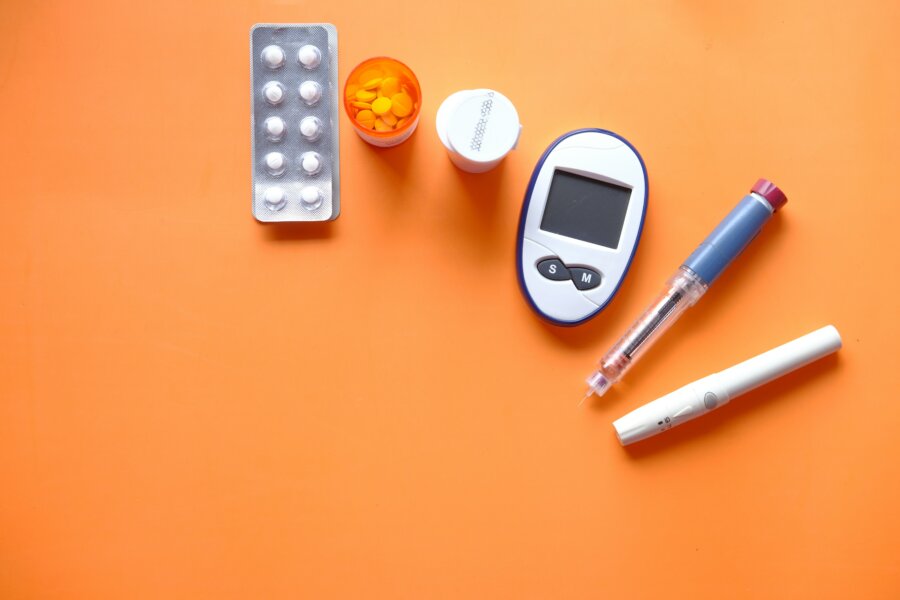
There are many underlying causes of PCOS but by far the most common is insulin resistance, accounting for an estimated 70% of all PCOS cases. This article does not address the other causes of PCOS. Insulin is a hormone secreted by the pancreas that is responsible for moving glucose out of the blood and into the cells. For women, insulin resistance can often lead to an increase in testosterone production which in turn leads to insulin resistant PCOS. The most effective treatment of insulin-resistant PCOS is to improve insulin function and reverse insulin resistance, by doing this testosterone levels drop and many other bodily functions improve which means it is much easier for the body to re-establish normal ovulation, normal periods and normal hormone levels.
5 Steps to Improving PCOS:
1. Eliminate refined sugars and refined carbohydrates: Refined sugars and carbohydrates are foods that are stripped of most of their fibre and micronutrients and protein. Refined carbohydrates cause a large spike in blood sugar. In the case of insulin resistance, insulin can not efficiently move these sugars into cells, leading to an overload of glucose in the blood which is then stored in the liver as fat. Increased body fat further worsens insulin resistance and exacerbates the PCOS condition. Refined carbohydrates include ultra processed sweets, chocolates, soft drinks and other sugary drinks and juices as well as white flour found in bread, cakes, pastries, etc as well as white pasta and white rice. Refined carbohydrates should be replaced with their whole form by eating whole grains, legumes and fruits and vegetables. Whole-food carbohydrates are essential in helping improve and reverse PCOS as they provide a good mix of fibre, micro-nutrients and protein which helps slow the release of glucose into the blood.
2. Eat more fibre: fibre helps drop the glycemic index of foods and it helps to flush out excess estrogen and other hormones and toxins from the body which is important for most hormonal imbalances. Many studies have also shown high fibre diets to promote weight loss in PCOS and diabetes. All plant-based foods contain some fibre but some are higher in fibre than others. For hormone support, cruciferous vegetables like cabbage, broccoli, cauliflower, and kale are very important to help flush out excess estrogen and other toxins from the gut. Whole grains and legumes are very high-fibre and should be eaten regularly for PCOS.
3. Don’t eat in between meals: Each time food is ingested, the pancreas is stimulated to produce insulin. Snaking in between meals means that insulin is kept high without being given a chance to return to baseline. Over time constantly stimulating the pancreas to release insulin can overtax the pancreas and speed up the progression from insulin resistance to diabetes. For optimal insulin levels and digestion, most people do well on 2-3 large balanced meals a day with no snacks or drinks between meals except water. Diabetic studies have shown better results with a traditional 3-meal eating plan over a 6-8 smaller-meal eating plan.
4. Cut out most or all animal fats and trans fats: Women with PCOS are known to be more sensitive to AGE (advanced glycated endproducts) containing foods. These are molecules that cause inflammation and insulin resistance. Foods containing the highest amounts of AGEs especially when exposed to high heat include pork, beef, chicken, butter, cheese, and processed snacks. Foods lowest in AGEs are whole grains, legumes, fruits, and vegetables. Animal fats and trans fats are known to clog insulin receptors on the cell membranes which means insulin and blood glucose levels rise. This is why some studies suggest you can improve diabetes with a low saturated fat diet, however, these types of diets can lead to an increase in sugary food intake. The best and most sustainable results occur when cutting out refined carbohydrates as well as cutting out animal and trans fats. These groups should be replaced with whole-food carbohydrates and good-quality plant-based fats. If you are already plant-based and consume minimal animal products, you should look at reducing trans fats that can be found in processed foods and baked goods as well as unhealthy vegetable oils and margarine, etc.
5. Try gentle intermittent fasting: there is strong evidence suggesting intermittent fasting is powerful in reversing insulin resistance, especially in studies carried out on diabetics. Intermittent fasting means that you eat within an eating window. This does not mean calorie restriction. If you choose to try intermittent fasting you must ensure that you make up your calories when you do eat. If you restrict calories, it can have profound effects on your thyroid which can worsen PCOS. Fasting for longer than 16 hours is not advisable for women. Most forms of intermittent fasting suggest skipping breakfast or having a later breakfast. The most effective method is actually to skip dinner or have a lighter dinner. This ensures you have adequate digestion overnight and has better health effects long term. Intermittent fasting a few times a week can be very helpful and is a practice that can be carried out long-term.
Some Additional Tips:
Tip 1: Don’t Stress about Protein: you may have heard that in order to balance blood sugar you need adequate amounts of protein. Although protein is particularly useful in balancing blood sugar it is not the full picture. You also need fibre and micronutrients to stabilise sugar and insulin. In actual fact, most vegans and vegetarians (about 70%) eat far above their recommended protein intake per day. Studies have also found animal protein to be inflammatory for women with PCOS and have been shown to increase insulin resistance in PCOS.
Tip 2: Add good quality soy into your diet: A few studies have suggested good quality soy be particularly helpful in regulating PCOS. You can read more about the benefits of the way for hormones in my article here: https://hazelandcacao.com/is-soy-safe-for-womens-hormones/
Tip 3. Experiment with wheat. Although wheat is a whole grain it has become highly processed and refined. Is difficult to find good wholesome wheat products that have been properly prepared. Try sticking to 100% wholemeal varieties always (white varieties are refined carbohydrates) as well as wholemeal sourdough varieties for bread. Many women have had great success with PCOS by cutting wheat and gluten out completely however there is no research on gluten-free diets and PCOS. Women with PCOS usually have inflammation and gut dysbiosis that can resemble IBS, there is more research suggesting FODMAP foods (including wheat) are to blame and not gluten or wheat. Experiment and see how well you tolerate wheat. Variety is key on a plant-based diet so only avoid foods if absolutely necessary and work at reintroducing them as soon as possible.
Tip 4: Cut out alcohol: alcohol strips gut lining and is a dangerous toxin for the liver. One standard alcoholic drink can double estrogen levels.
Tip 5: Add resistant starch to your diet. Resistant starch is great at lowering blood sugar levels. It is so powerful that it had a second-meal effect. So you can have resistant starch for breakfast and it will also lower your blood sugar for lunch as well. Resistant starch is currently being researched as an alternative to blood sugar medication because it is so powerful. Foods containing resistant starch include green banana flour ( green less ripe bananas) undercooked or raw potatoes and other starchy vegetables and is present in small amounts in most grains and legumes
Tip 6. Don’t fear your food and eating. Stress is behind almost every single hormone imbalance and PCOS is no different. It can be overwhelming to be faced with the number of dietary changes that are needed in order to combat PCOS but food should be a pleasant experience. Fear around food and eating only leads to more problems long-term. Don’t stress about the occasional sugary dessert or pastry or snack etc. Relax and trust your body.
The steps I have outlined are by no means easy, they require a total lifestyle change and should be followed long-term. It is not a diet but rather a way of living that supports Insulin and healthy hormones. All lifestyle changes are hard and take time to implement. We need to be gentle with ourselves and make changes slowly and sustainably so we can ensure we form new habits that will last long-term. Attempting to change everything all at once will likely result in failure and discouragement. Lifestyle changes do not offer quick results but they do offer sustainable results long term and ensure overall health for all bodily systems (not just our hormones).
Reference Links:
https://www.forksoverknives.com/i-have-pcos-what-should-i-eat/#gs.mntkvy
https://www.sciencedirect.com/science/article/abs/pii/S1871402117300115
https://www.ncbi.nlm.nih.gov/pubmed/28727165
https://academic.oup.com/aje/article/183/8/715/1739876
https://www.ncbi.nlm.nih.gov/pubmed/24722128
https://www.ncbi.nlm.nih.gov/pubmed/29468748
https://www.sciencedirect.com/science/article/pii/S193152441400200X#bib24